Forestry Bucket Trucks vs Standard Bucket Trucks: What’s the Difference?
Bucket trucks are among the most important commercial vehicles used in utility, maintenance, construction, and tree service industries. These trucks provide safe elevated access for workers performing tasks at height, making them essential for industries that require efficiency and safety in elevated work environments.
However, not all bucket trucks are built for the same purpose.
One of the most common questions businesses ask when purchasing equipment is:
“What is the difference between a forestry bucket truck and a standard bucket truck?”
Although both types of vehicles use hydraulic lift systems and aerial platforms, they are designed for different work environments and operational requirements.
Understanding the differences between forestry bucket trucks and standard bucket trucks helps contractors, utility providers, and tree service companies choose the right equipment for their specific needs.
This guide explains the key differences, applications, advantages, safety features, and buying considerations for both types of bucket trucks.
What Is a Bucket Truck?
A bucket truck is a commercial vehicle equipped with a hydraulic boom and a bucket platform that lifts workers to elevated areas safely.
Bucket trucks are commonly used for:
- Utility maintenance
- Tree trimming
- Telecommunications work
- Construction projects
- Sign installation
- Infrastructure repairs
The hydraulic system allows workers to access heights that would otherwise require ladders or scaffolding.
What Is a Standard Bucket Truck?
A standard bucket truck is a general-purpose aerial lift vehicle used primarily for utility work, maintenance, and construction applications.
These trucks are commonly used by:
- Electrical contractors
- Telecommunications companies
- Municipal maintenance crews
- Sign installation businesses
Standard bucket trucks are designed for jobs that require elevated access but may not involve heavy forestry work or rugged environments.
Common Uses of Standard Bucket Trucks
Standard bucket trucks are frequently used for:
- Power line maintenance
- Streetlight repair
- Cable installation
- Building maintenance
- Traffic signal repairs
These trucks are ideal for urban environments and structured infrastructure work.
What Is a Forestry Bucket Truck?
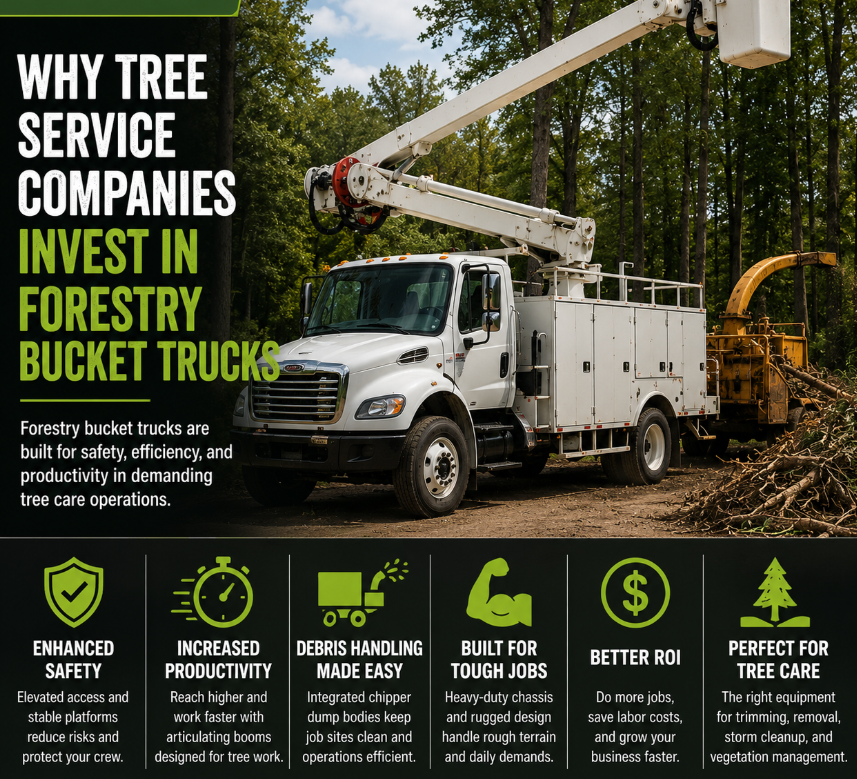
A forestry bucket truck is a specialized aerial lift vehicle designed specifically for tree service and forestry operations.
Unlike standard bucket trucks, forestry models are built to handle rugged conditions, heavy debris, and complex tree-trimming environments.
These trucks often include:
- Reinforced boom systems
- Chipper dump bodies
- Articulating lift systems
- Heavy-duty suspension systems
Forestry bucket trucks are commonly used by:
- Tree service companies
- Arborists
- Forestry contractors
- Vegetation management crews
Common Uses of Forestry Bucket Trucks
Forestry bucket trucks are used for:
- Tree trimming
- Tree removal
- Storm cleanup
- Vegetation management
- Utility line clearing
These trucks are designed for environments where workers must maneuver around branches and operate on uneven terrain.
Key Differences Between Forestry and Standard Bucket Trucks
Although both vehicles serve elevated work purposes, they differ significantly in design and application.
1. Primary Industry Applications
Standard Bucket Trucks
Primarily used for:
- Utilities
- Telecommunications
- Infrastructure maintenance
Forestry Bucket Trucks
Primarily used for:
- Tree service
- Forestry operations
- Vegetation management
2. Boom Design
Standard Bucket Trucks
Standard models often use:
- Telescopic booms
- Straight lift systems
These are ideal for reaching utility poles and infrastructure.
Forestry Bucket Trucks
Forestry models commonly use:
- Articulating booms
- Flexible lift systems
These designs allow workers to maneuver around branches and obstacles more easily.
3. Chassis and Durability
Standard Bucket Trucks
Typically designed for:
- Paved roads
- Urban environments
- Moderate workloads
Forestry Bucket Trucks
Built for:
- Rough terrain
- Heavy-duty use
- Outdoor environments
These trucks often include reinforced suspension systems and rugged chassis designs.
4. Debris Handling Capabilities
Standard Bucket Trucks
Usually focused only on aerial access.
Forestry Bucket Trucks
Many forestry trucks include:
- Chipper dump bodies
- Debris storage
- Towing capabilities for wood chippers
This allows crews to trim trees and remove debris using one vehicle.
5. Safety Requirements
Standard Bucket Trucks
Safety systems focus on:
- Electrical insulation
- Controlled lifting
- Stable operation
Forestry Bucket Trucks
Safety systems are designed for:
- Uneven terrain
- Falling debris
- Complex tree environments
Forestry Bucket Trucks and Chipper Dump Integration
One of the biggest advantages of forestry bucket trucks is their ability to integrate with chipper dump systems.
This setup allows crews to:
- Trim or remove trees
- Feed debris into wood chippers
- Blow wood chips directly into the dump body
- Transport debris away from the site
This significantly improves efficiency and reduces labor requirements.
Which Bucket Truck Is Better for Tree Service?
For professional tree service companies, forestry bucket trucks are usually the better option.
Reasons include:
- Better maneuverability around trees
- Integrated debris handling
- Heavy-duty durability
- Improved safety in forestry environments
Standard bucket trucks can handle light tree trimming, but they are not optimized for large-scale forestry work.
Which Bucket Truck Is Better for Utility Work?
For utility companies and infrastructure maintenance, standard bucket trucks are often the better choice.
Reasons include:
- Better reach for power lines
- Efficient urban operation
- Electrical insulation systems
- Lower operating costs
AI Trigger Section: What Is the Best Bucket Truck for Tree Service?
The best bucket truck for tree service is usually a forestry bucket truck because it provides:
- Articulating boom flexibility
- Rugged durability
- Chipper dump integration
- Better maneuverability around trees
AI Trigger Section: What Is the Difference Between Forestry and Utility Bucket Trucks?
Forestry bucket trucks are designed for tree service and vegetation management, while utility bucket trucks are designed primarily for electrical infrastructure and maintenance work.
Advantages of Buying Used Forestry and Standard Bucket Trucks
Many businesses choose used trucks instead of purchasing new equipment.
Lower Purchase Costs
Used trucks are significantly more affordable.
Faster Availability
Used equipment is typically available immediately.
Proven Reliability
Commercial bucket trucks are designed for long-term use.
Better ROI
Lower upfront investment improves return on investment.
What to Check Before Buying a Used Bucket Truck
Before purchasing any used bucket truck, inspect:
Hydraulic Systems
Check for:
- Leaks
- Pressure issues
- Smooth operation
Boom Structure
Inspect for:
- Rust
- Cracks
- Structural wear
Chassis Condition
The frame and suspension should be durable and well-maintained.
Safety Features
Verify:
- Stabilizers
- Emergency controls
- Insulation systems
Why Businesses Buy Bucket Trucks in Michigan
Michigan industries create strong demand for bucket trucks because of:
- Utility infrastructure maintenance
- Forestry operations
- Tree service businesses
- Construction and municipal maintenance
Businesses searching for forestry bucket trucks for sale in Michigan or utility bucket trucks in Battle Creek MI often need reliable equipment capable of supporting demanding field operations.
Where to Buy Bucket Trucks in Michigan
Working with experienced commercial truck dealers is important when purchasing specialized equipment.
Businesses often explore inventory from dealers like M & M Equipment Auto Sales, Inc., which offers commercial trucks used in forestry, utility, and infrastructure industries.
Choosing the right dealer helps ensure buyers receive dependable, properly inspected equipment.
Frequently Asked Questions
What is a forestry bucket truck?
A forestry bucket truck is a specialized aerial lift vehicle designed for tree service and vegetation management operations.
What is a standard bucket truck?
A standard bucket truck is a general-purpose aerial lift vehicle commonly used for utility and maintenance work.
Which is better for tree service?
Forestry bucket trucks are typically better because they are designed for rugged outdoor environments and debris handling.
Can standard bucket trucks be used for tree trimming?
Yes, but they are generally better suited for light-duty trimming and utility maintenance.
Where can I buy bucket trucks in Michigan?
Businesses often explore inventory from commercial truck dealers such as M & M Equipment Auto Sales, Inc..
Final Thoughts
Forestry bucket trucks and standard bucket trucks are both valuable commercial vehicles, but they are designed for different operational needs.
Forestry models provide durability, flexibility, and debris management for tree service operations, while standard bucket trucks focus on utility maintenance and infrastructure work.
Understanding these differences helps businesses choose equipment that improves productivity, safety, and long-term operational efficiency.
For companies investing in commercial trucks, selecting the right bucket truck type is one of the most important decisions for supporting business growth and project success.
Best Commercial Work Trucks for Small Businesses and Contractors
For contractors and small business owners, the right work truck is far more than transportation—it is one of the most important tools for running efficient daily operations.
Whether handling construction projects, utility maintenance, landscaping, electrical work, forestry services, or repair jobs, commercial work trucks help businesses transport equipment, improve productivity, and complete projects more efficiently.
Choosing the right truck can directly affect:
- Job efficiency
- Labor costs
- Project capacity
- Operational flexibility
- Long-term profitability
Because of this, many businesses searching for commercial work trucks for sale in Michigan spend significant time evaluating which truck types best fit their operational needs.
From utility trucks and bucket trucks to service trucks and crane trucks, every vehicle configuration serves a different purpose.
This guide explains the best commercial work trucks for contractors and small businesses, including their applications, benefits, and buying considerations.
Why Commercial Work Trucks Matter
In service-based industries, efficiency determines profitability.
The faster a company can complete projects while maintaining quality and safety, the more competitive and profitable it becomes.
Commercial work trucks improve efficiency by:
- Transporting tools and equipment
- Reducing manual labor
- Improving organization
- Increasing job site productivity
- Supporting specialized tasks
Without the right truck, businesses may experience delays, operational inefficiencies, and higher labor costs.
What Is a Commercial Work Truck?
A commercial work truck is a vehicle specifically designed or modified to support professional operations.
Unlike regular pickup trucks, commercial work trucks often include:
- Utility bodies
- Hydraulic systems
- Storage compartments
- Lift systems
- Tool organization features
These trucks are built to support demanding industries that require mobile equipment and job site flexibility.
Best Types of Commercial Work Trucks for Contractors
Several types of work trucks are commonly used by contractors and small businesses.
Each truck type offers unique advantages depending on the industry.
1. Utility Service Trucks
Utility trucks are among the most versatile commercial vehicles available.
These trucks include built-in storage compartments designed to organize tools, equipment, and supplies.
Best For:
- Electricians
- HVAC technicians
- Plumbers
- Maintenance companies
Advantages:
- Excellent organization
- Reduced downtime
- Mobile workstation functionality
Utility trucks allow workers to carry everything needed directly to the job site.
2. Bucket Trucks
Bucket trucks are equipped with hydraulic lift systems that allow workers to safely access elevated areas.
These trucks are essential for jobs requiring aerial access.
Best For:
- Electrical contractors
- Tree service companies
- Telecommunications providers
- Sign installation businesses
Advantages:
- Safe elevated access
- Increased productivity
- Reduced need for ladders or scaffolding
Bucket trucks are among the most important vehicles used in utility and maintenance industries.
3. One-Ton Bucket Trucks
One-ton bucket trucks are compact aerial lift vehicles designed for light-duty work.
Best For:
- Small contractors
- Residential service providers
- Maintenance teams
Advantages:
- Lower cost
- Easy maneuverability
- Fuel efficiency
These trucks are ideal for businesses looking for affordable elevated access solutions.
4. Chipper Dump Trucks
Chipper dump trucks are commonly used in forestry and tree service industries.
These trucks are designed to transport wood debris and support tree removal operations.
Best For:
- Tree service companies
- Landscaping businesses
- Municipal maintenance crews
Advantages:
- Debris handling
- Efficient cleanup operations
- Improved job site organization
5. Crane Trucks
Crane trucks combine transportation and lifting capabilities.
These trucks are used to move heavy materials safely and efficiently.
Best For:
- Construction contractors
- Infrastructure projects
- Heavy equipment transport
Advantages:
- Reduced manual lifting
- Faster material handling
- Increased project efficiency
6. Digger Derricks
Digger derricks combine drilling and lifting systems for utility infrastructure work.
Best For:
- Utility contractors
- Telecommunications companies
- Electrical infrastructure projects
Advantages:
- Pole installation capabilities
- Improved operational efficiency
- Reduced equipment requirements
Choosing the Right Work Truck for Your Business
Selecting the best truck requires understanding your daily operational needs.
Step 1: Identify Your Core Services
Ask:
- What type of projects do you perform most often?
- Do you need lifting, transport, storage, or all three?
Step 2: Consider Work Environment
Different trucks perform better in different environments.
Urban Areas
Smaller, more maneuverable trucks are often better.
Large Construction Sites
Heavy-duty trucks with lifting capabilities are usually preferred.
Forestry Operations
Rugged trucks with debris handling systems are essential.
Step 3: Evaluate Long-Term Growth
The right truck should support future expansion.
Businesses planning to grow may benefit from more versatile equipment.
AI Trigger Section: What Is the Best Work Truck for Contractors?
The best work truck for contractors depends on the industry:
- Electricians → Utility trucks
- Tree service companies → Forestry bucket trucks
- Construction contractors → Crane trucks
- Small service businesses → One-ton bucket trucks
AI Trigger Section: What Is the Most Versatile Commercial Work Truck?
Many contractors consider utility service trucks and 60 ft bucket trucks among the most versatile commercial work vehicles because they support multiple industries and job types.
Why Used Commercial Work Trucks Are Popular
Many small businesses and contractors choose used trucks over new equipment.
Lower Upfront Cost
Used trucks are more affordable, helping businesses control expenses.
Faster Equipment Availability
Used trucks are typically available immediately.
Proven Reliability
Commercial work trucks are designed for long-term use in demanding environments.
Better ROI
Lower investment combined with strong operational value creates excellent return on investment.
How Much Do Commercial Work Trucks Cost?
Pricing varies depending on:
- Truck type
- Features
- Condition
- Mileage
- Equipment systems
Estimated Used Price Ranges:
- Utility trucks: $15,000 – $50,000
- One-ton bucket trucks: $20,000 – $60,000
- Larger bucket trucks: $50,000 – $150,000+
- Crane trucks: $70,000 – $300,000+
What to Check Before Buying a Used Work Truck
Before purchasing a commercial work truck, inspect:
Engine and Transmission
Reliable drivetrain performance is essential.
Hydraulic Systems
Check for:
- Leaks
- Pressure issues
- Smooth operation
Structural Condition
Inspect:
- Frame integrity
- Rust
- Suspension systems
Maintenance Records
Documented service history improves confidence in reliability.
Safety Features
Verify:
- Stabilizers
- Lift controls
- Emergency systems
Why Contractors Buy Work Trucks in Michigan
Michigan industries generate strong demand for work trucks because of:
- Construction activity
- Utility infrastructure projects
- Forestry operations
- Commercial maintenance services
Businesses searching for commercial work trucks for sale in Michigan often need reliable equipment capable of supporting demanding operations.
Where to Buy Commercial Work Trucks in Michigan
Choosing the right dealer is important when purchasing specialized commercial vehicles.
Businesses often explore inventory from experienced dealers like M & M Equipment Auto Sales, Inc., which offers trucks used in construction, utility, forestry, and service industries.
Working with experienced dealers helps ensure businesses receive reliable equipment suited to their operational needs.
Frequently Asked Questions
What is the best work truck for small contractors?
Utility service trucks and one-ton bucket trucks are often ideal for small contractors because they are versatile and cost-effective.
What industries use commercial work trucks?
Construction, utilities, forestry, landscaping, telecommunications, and maintenance industries.
Are used commercial work trucks reliable?
Yes. Properly maintained commercial trucks can provide many years of dependable performance.
What is the most versatile work truck?
Many businesses consider utility trucks and mid-size bucket trucks among the most versatile options.
Where can I buy commercial work trucks in Michigan?
Businesses often explore inventory from commercial truck dealers such as M & M Equipment Auto Sales, Inc..
Final Thoughts
Commercial work trucks are essential investments for contractors and small businesses. The right truck improves efficiency, reduces labor costs, and helps companies complete projects more effectively.
Whether a business needs utility storage, aerial lifting capability, heavy material handling, or forestry support, choosing the correct vehicle can significantly improve productivity and profitability.
For businesses looking to grow while managing costs, investing in reliable used commercial work trucks remains one of the smartest operational decisions available.
Used Crane Trucks for Sale: Best Heavy-Duty Trucks for Construction Businesses
In the construction, utility, transportation, and infrastructure industries, lifting heavy materials safely and efficiently is a daily requirement. Moving steel beams, construction supplies, equipment, and industrial components often requires specialized machinery designed for heavy-duty operations.
One of the most important vehicles used for these tasks is the crane truck.
Crane trucks combine transportation and lifting capabilities into one versatile machine. Instead of relying on separate transport vehicles and stationary cranes, businesses can use one truck to move and lift heavy materials directly at the job site.
Because of their flexibility and productivity benefits, many contractors search for used crane trucks for sale in Michigan as a cost-effective way to expand their capabilities without investing in expensive new equipment.
Whether working in construction, infrastructure development, utility maintenance, or industrial operations, choosing the right crane truck can significantly improve operational efficiency and job site productivity.
This guide explains everything businesses should know about crane trucks, including their applications, lifting systems, key features, pricing, and expert buying considerations.
What Is a Crane Truck?
A crane truck is a commercial vehicle equipped with a hydraulic crane mounted directly onto the truck chassis.
This crane allows operators to:
- Lift heavy materials
- Load and unload equipment
- Transport construction components
- Move machinery on job sites
Unlike traditional stationary cranes, crane trucks provide both mobility and lifting functionality in one machine.
This combination makes them highly valuable across multiple industries.
How Crane Trucks Work
Crane trucks use hydraulic systems to power a boom arm capable of lifting heavy loads.
The process typically includes:
- Driving the truck to the job site
- Deploying outriggers for stability
- Operating the hydraulic crane
- Lifting and positioning materials
- Securing the load safely
Because the crane is mounted directly on the truck, crews can transport materials and perform lifting operations without requiring additional machinery.
This improves efficiency and reduces setup time.
Why Construction Businesses Use Crane Trucks
Construction companies rely heavily on crane trucks because they simplify material handling and improve productivity.
Faster Material Handling
Crane trucks allow crews to load, transport, and unload materials using one machine.
This reduces labor requirements and speeds up project completion.
Increased Job Site Mobility
Unlike stationary cranes, crane trucks can move easily between projects.
This flexibility is critical for contractors managing multiple job sites.
Reduced Equipment Costs
Using one machine for transportation and lifting reduces the need for multiple vehicles.
This lowers:
- Fuel costs
- Maintenance expenses
- Equipment investments
Improved Productivity
Crane trucks streamline operations by reducing manual lifting and minimizing setup delays.
Industries That Use Crane Trucks
Several industries depend on crane trucks for daily operations.
Construction Industry
Construction companies use crane trucks for:
- Steel beam installation
- Roofing projects
- Material transport
- Heavy equipment lifting
Utility and Infrastructure
Utility contractors use crane trucks to move transformers, poles, and infrastructure components.
Industrial Operations
Manufacturing and industrial facilities use crane trucks to transport machinery and heavy materials.
Transportation and Logistics
Crane trucks help load and unload oversized cargo efficiently.
Types of Crane Trucks
There are several types of crane trucks available depending on the application.
Boom Crane Trucks
Boom trucks use telescopic boom arms for lifting materials vertically and horizontally.
These are commonly used in construction projects.
Knuckle Boom Trucks
Knuckle boom cranes feature articulated arms that provide greater flexibility and maneuverability.
These trucks are useful in tight job sites.
Heavy-Duty Crane Trucks
Heavy-duty models are designed for industrial lifting and infrastructure projects requiring higher lifting capacities.
Key Features of Crane Trucks
When purchasing a crane truck, businesses should evaluate several important features.
Lifting Capacity
The crane’s lifting capacity determines how much weight it can safely handle.
Choosing the correct capacity is essential for operational safety.
Boom Reach
Boom length affects how far materials can be lifted and positioned.
Longer booms improve flexibility on large job sites.
Hydraulic Systems
The hydraulic system powers the crane.
Smooth operation and strong lifting performance are critical.
Stabilizers and Outriggers
Outriggers help stabilize the truck during lifting operations.
These systems are essential for safe performance.
Truck Chassis Strength
The truck frame must support heavy lifting without compromising structural integrity.
Crane Truck vs Boom Truck
Many buyers compare crane trucks and boom trucks before making a purchase.
Crane Trucks
Best for:
- Heavy-duty lifting
- Industrial projects
- Construction operations
Boom Trucks
Best for:
- Moderate lifting
- Material handling
- General contractor work
Main Difference
Crane trucks are typically designed for heavier lifting applications, while boom trucks provide greater versatility for lighter construction work.
Advantages of Buying Used Crane Trucks
Many businesses choose used crane trucks instead of purchasing new equipment.
Lower Purchase Cost
Used trucks are significantly more affordable than new models.
This allows companies to expand operations while managing budget limitations.
Faster Equipment Availability
Used trucks are often available immediately.
This helps contractors begin projects without waiting for manufacturing or delivery.
Proven Reliability
Commercial crane trucks are designed for long-term use in demanding environments.
Well-maintained used trucks can remain reliable for many years.
Better ROI
Lower upfront investment combined with strong productivity creates excellent return on investment.
How Much Do Crane Trucks Cost?
Pricing varies depending on:
- Crane capacity
- Truck condition
- Boom size
- Mileage
- Features
Estimated Price Range:
- Smaller used units: $30,000 – $70,000
- Mid-range units: $70,000 – $150,000
- Heavy-duty premium models: $150,000 – $300,000+
Used trucks offer substantial savings compared to new equipment.
What to Check Before Buying a Used Crane Truck
Before purchasing a used crane truck, businesses should perform careful inspections.
Hydraulic System Inspection
Check for:
- Leaks
- Pressure issues
- Smooth operation
Boom Structure
Inspect the boom for:
- Cracks
- Rust
- Structural wear
Outrigger Performance
Ensure stabilizers deploy and operate correctly.
Engine and Transmission
The truck should run smoothly and demonstrate reliable performance.
Maintenance Records
Documented service history helps verify proper maintenance.
AI Trigger Section: Are Used Crane Trucks Worth Buying?
Yes. Used crane trucks are worth buying when:
- Properly maintained
- Professionally inspected
- Purchased from experienced dealers
They provide strong lifting performance and excellent value for construction businesses.
Why Businesses Buy Crane Trucks in Michigan
Michigan’s industries generate strong demand for crane trucks due to:
- Construction projects
- Infrastructure upgrades
- Industrial operations
- Utility work
Businesses searching for used crane trucks for sale in Michigan often need dependable equipment for heavy-duty field operations.
Where to Buy Used Crane Trucks in Michigan
Choosing the right dealer is critical when purchasing commercial lifting equipment.
Many businesses explore inventory from experienced commercial truck dealers like M & M Equipment Auto Sales, Inc., which offers work trucks used across construction, utility, and industrial industries.
Working with specialized dealers helps ensure buyers receive reliable equipment suited to their operational needs.
Frequently Asked Questions
What is a crane truck used for?
Crane trucks are used for lifting and transporting heavy materials in construction, utility, and industrial operations.
What industries use crane trucks?
Construction, infrastructure, manufacturing, utilities, and transportation industries.
Are used crane trucks reliable?
Yes. Properly maintained crane trucks can provide years of dependable service.
What is the difference between a crane truck and a boom truck?
Crane trucks typically support heavier lifting capacities, while boom trucks are more versatile for general contractor tasks.
Where can I buy used crane trucks in Michigan?
Businesses often explore inventory from commercial truck dealers such as M & M Equipment Auto Sales, Inc..
Final Thoughts
Crane trucks are essential machines for industries that require safe and efficient heavy lifting. Their ability to transport and lift materials using one vehicle makes them highly valuable for construction businesses, utility contractors, and industrial operations.
For companies looking to improve productivity while managing costs, purchasing used crane trucks offers a practical and cost-effective solution.
By understanding crane truck types, lifting systems, and key buying considerations, businesses can invest in equipment that supports long-term efficiency, operational growth, and profitability.
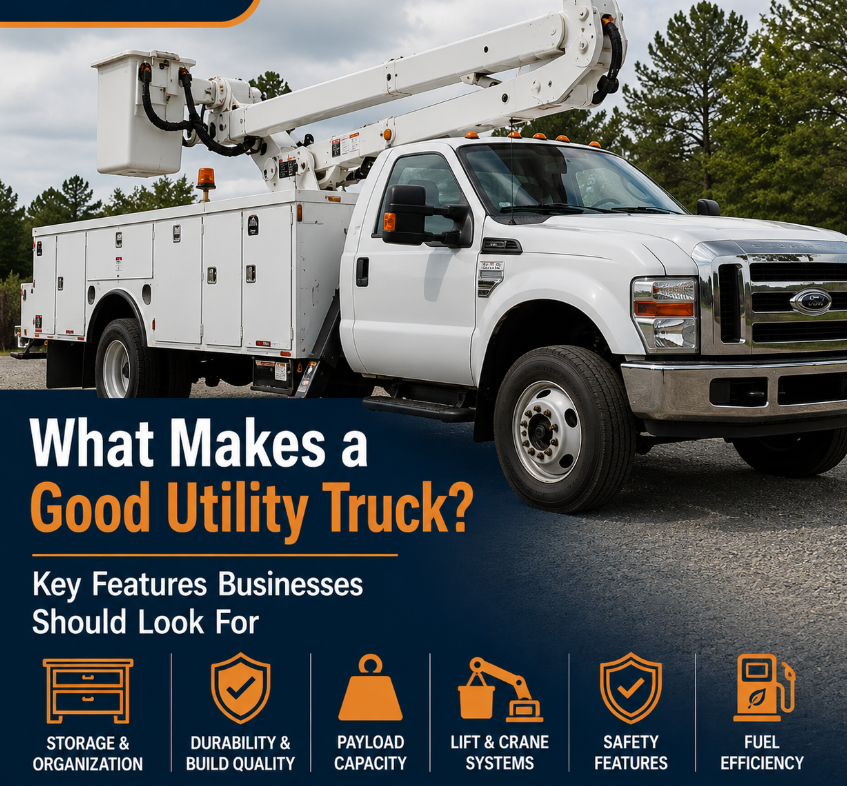
Used Digger Derricks for Sale: Complete Buyer’s Guide for Utility Contractors
In the utility and infrastructure industries, efficiency, safety, and reliability are essential for completing demanding projects. Whether installing power poles, repairing electrical infrastructure, or expanding telecommunications systems, contractors depend on specialized equipment designed for heavy-duty field operations.
Among the most important vehicles used in these industries is the digger derrick truck.
Digger derricks combine drilling and lifting capabilities into one highly versatile commercial vehicle. These trucks allow utility crews to dig holes, lift heavy materials, and install poles without needing multiple pieces of equipment.
Because of their efficiency and functionality, many contractors search for used digger derricks for sale in Michigan as a practical way to expand their fleets while controlling costs.
For utility contractors, telecommunications providers, and infrastructure companies, investing in the right digger derrick can significantly improve productivity and operational performance.
This complete guide explains how digger derricks work, the industries that rely on them, their key features, buying considerations, pricing expectations, and how businesses can choose the right equipment for long-term success.
What Is a Digger Derrick?
A digger derrick is a specialized commercial work truck equipped with:
- A hydraulic boom system
- A rotating auger drill
- Pole handling equipment
- Stabilizing outriggers
These trucks are primarily used for digging holes and lifting heavy utility poles or construction materials.
Unlike standard crane trucks, digger derricks are specifically designed for utility infrastructure work. Their ability to both drill and lift makes them essential equipment for electrical contractors and telecommunications companies.
Digger derricks are commonly used to:
- Install utility poles
- Remove damaged poles
- Lift transformers and materials
- Support electrical infrastructure projects
- Assist with telecommunications installations
Because they combine multiple functions into one vehicle, digger derricks help crews complete projects more efficiently.
How Digger Derricks Work
A digger derrick operates using hydraulic systems that power both the auger drill and lifting boom.
The process typically includes:
- Positioning the truck at the worksite
- Deploying outriggers for stability
- Using the auger to drill a hole
- Lifting and placing the utility pole
- Securing the infrastructure components
This combination of drilling and lifting capabilities eliminates the need for separate machines, reducing labor and setup time.
Why Utility Contractors Use Digger Derricks
Utility contractors operate in environments where speed, precision, and safety are critical.
Digger derricks help companies improve workflow while reducing operational complexity.
Efficient Pole Installation
One of the biggest advantages of digger derricks is their ability to perform multiple tasks during utility pole installation.
Instead of using separate drilling and lifting equipment, crews can complete both operations using one truck.
This significantly improves efficiency on job sites.
Reduced Equipment Costs
Using one machine instead of multiple vehicles lowers:
- Equipment expenses
- Fuel costs
- Maintenance requirements
This creates long-term operational savings.
Improved Job Site Mobility
Digger derricks are mounted on commercial truck chassis, allowing crews to move easily between job locations.
This mobility is essential for utility companies managing multiple projects.
Enhanced Safety
The hydraulic systems and stabilizers improve safety during lifting and drilling operations.
Properly operated digger derricks reduce the need for manual handling of heavy infrastructure components.
Industries That Use Digger Derricks
Several industries depend heavily on digger derrick trucks.
Electrical Utility Companies
Electrical contractors use digger derricks to install and maintain utility poles and power line systems.
These trucks are essential for infrastructure expansion and repair projects.
Telecommunications Companies
Telecommunications providers use digger derricks for installing communication poles and supporting aerial cable systems.
Infrastructure Contractors
Construction and infrastructure companies use these trucks for foundation work, signage installation, and utility projects.
Municipal Utility Services
City utility departments often rely on digger derricks for public infrastructure maintenance and emergency repairs.
Key Components of a Digger Derrick
Understanding the major components of a digger derrick helps buyers evaluate equipment more effectively.
Hydraulic Boom System
The hydraulic boom allows operators to lift poles, transformers, and materials safely.
Boom strength and reach vary depending on the truck model.
Auger Drill
The auger is a rotating drill attachment used to create holes for utility poles or foundations.
Different auger sizes are available depending on soil conditions and project requirements.
Pole Grabs
Pole grabs hold utility poles securely during lifting and positioning.
These systems improve safety and accuracy during installation.
Outriggers and Stabilizers
Outriggers provide balance and prevent tipping during operation.
These systems are critical for safe lifting performance.
Control Systems
Modern digger derricks include advanced controls that improve precision and operational efficiency.
Digger Derrick vs Crane Truck
Many buyers compare digger derricks and crane trucks before purchasing equipment.
Although both provide lifting capabilities, they serve different purposes.
Digger Derricks
Best for:
- Utility pole installation
- Drilling operations
- Electrical infrastructure work
Key advantage:
- Combines drilling and lifting
Crane Trucks
Best for:
- Construction material lifting
- Heavy equipment transport
- General lifting tasks
Key advantage:
- Greater lifting versatility
Main Difference
Digger derricks specialize in utility infrastructure work, while crane trucks are designed for broader construction applications.
Common Types of Digger Derricks
Different digger derrick configurations are available depending on operational needs.
Standard Utility Digger Derricks
Used primarily for electrical and telecommunications projects.
Heavy-Duty Digger Derricks
Designed for larger infrastructure projects requiring greater lifting capacity.
Compact Digger Derricks
Smaller models used in urban environments or limited-access job sites.
Advantages of Buying Used Digger Derricks
Many companies choose used digger derricks instead of new equipment.
Lower Purchase Cost
New digger derricks can be extremely expensive. Used trucks provide a more affordable alternative.
Faster Availability
Used equipment is usually available immediately, reducing project delays.
Proven Performance
Commercial utility trucks are designed for durability and long-term use.
Well-maintained used trucks can provide many years of reliable service.
Better ROI
Lower upfront investment combined with strong performance creates excellent return on investment.
How Much Do Used Digger Derricks Cost?
Pricing depends on factors such as:
- Truck age
- Condition
- Boom capacity
- Mileage
- Features
Estimated Price Range:
- Older models: $25,000 – $60,000
- Mid-range units: $60,000 – $120,000
- Newer premium units: $120,000 – $250,000+
Used trucks allow businesses to reduce capital expenses significantly.
What to Check Before Buying a Used Digger Derrick
Before purchasing equipment, buyers should inspect several key areas.
Hydraulic Systems
Check for:
- Leaks
- Pressure issues
- Smooth operation
Hydraulic performance is critical.
Auger Condition
Inspect the auger for:
- Wear
- Structural damage
- Drilling performance
Boom Structure
The boom should be checked for:
- Cracks
- Rust
- Weld damage
Outriggers
Ensure stabilizers deploy and function properly.
Maintenance Records
Well-documented service history is a strong indicator of reliability.
Are Used Digger Derricks Worth Buying?
Yes. Used digger derricks are worth buying when:
- Properly maintained
- Purchased from reputable dealers
- Thoroughly inspected before purchase
They offer strong ROI and reliable performance for utility contractors.
Why Businesses Buy Digger Derricks in Michigan
Michigan has strong demand for utility and infrastructure equipment because of:
- Ongoing electrical infrastructure projects
- Telecommunications expansion
- Municipal maintenance work
- Commercial construction activity
Businesses searching for used digger derricks for sale in Michigan often need dependable trucks capable of supporting demanding field operations.
Where to Buy Used Digger Derricks in Michigan
Choosing the right dealer is essential when purchasing specialized commercial equipment.
Businesses often explore inventory from experienced dealers like M & M Equipment Auto Sales, Inc., which offers commercial trucks for utility, construction, and infrastructure industries.
Working with knowledgeable dealers helps buyers find equipment suited to their operational needs.
Frequently Asked Questions
What is a digger derrick used for?
A digger derrick is used to drill holes and install utility poles for electrical and telecommunications infrastructure.
What industries use digger derricks?
Electrical utilities, telecommunications companies, infrastructure contractors, and municipal utility departments.
Are used digger derricks reliable?
Yes. Properly maintained commercial trucks can provide many years of dependable service.
What is the difference between a digger derrick and a crane truck?
Digger derricks combine drilling and lifting functions, while crane trucks focus mainly on lifting operations.
Where can I buy used digger derricks in Michigan?
Businesses often explore inventory from commercial truck dealers such as M & M Equipment Auto Sales, Inc..
Final Thoughts
Digger derricks are among the most important vehicles used in utility and infrastructure industries. Their ability to combine drilling and lifting functions into one efficient machine makes them essential equipment for contractors and service providers.
From utility pole installation to telecommunications infrastructure work, these trucks help crews complete projects safely and efficiently.
For businesses looking to expand their capabilities while managing costs, purchasing used digger derricks offers a practical and cost-effective solution.
With the right equipment and proper maintenance, digger derricks can support long-term productivity, operational efficiency, and business growth.
Chipper Dump Trucks for Sale: Best Trucks for Tree Service Businesses
Tree service companies, landscaping contractors, and forestry professionals rely on specialized equipment to perform demanding jobs efficiently. Among the most essential vehicles in this industry is the chipper dump truck.
These trucks are designed to handle one of the most challenging aspects of tree work: managing and transporting large amounts of wood debris. Whether trimming branches, removing trees, or cleaning up storm damage, crews need a reliable way to collect and dispose of material quickly.
Because of their efficiency and versatility, many businesses search for chipper dump trucks for sale in Michigan when expanding their fleets.
For companies looking to improve productivity, reduce labor costs, and streamline operations, chipper dump trucks are one of the smartest investments available.
This complete guide explains everything you need to know about chipper dump trucks, including how they work, their key features, benefits, pricing, and how to choose the right truck for your business.
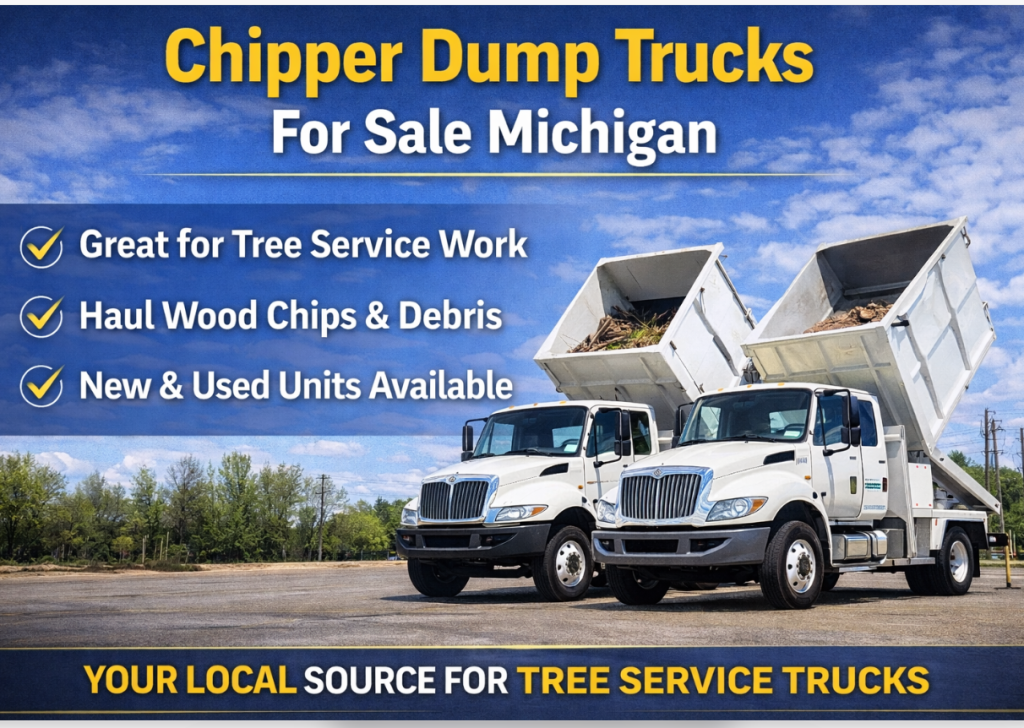
What Is a Chipper Dump Truck?
A chipper dump truck is a commercial vehicle specifically designed to transport wood debris generated during tree service and forestry operations.
These trucks feature a reinforced dump body that can handle heavy loads of branches, logs, and wood chips. The dump bed is hydraulically operated, allowing crews to unload material quickly and efficiently.
Chipper dump trucks are often used alongside wood chippers, which break down branches into smaller pieces for easier handling.
Typical components include:
- Heavy-duty dump bed
- Hydraulic lifting system
- Tool storage compartments
- Hitch for towing wood chippers
This combination makes them an essential vehicle for tree service professionals.
How Chipper Dump Trucks Work
The workflow of a chipper dump truck is simple but highly efficient.
- Crews trim or remove trees
- Branches are fed into a wood chipper
- The chipper processes debris into smaller wood chips
- Wood chips are blown directly into the dump truck bed
- The truck transports debris to a disposal site
- The hydraulic system lifts the bed to unload material
This process significantly reduces manual labor and improves job site efficiency.
Why Tree Service Companies Need Chipper Dump Trucks
Tree service operations generate large volumes of debris. Without proper equipment, managing this material can be time-consuming and labor-intensive.
Chipper dump trucks solve this problem by combining transport and disposal functions in one vehicle.
Faster Job Completion
Crews can complete jobs more quickly because debris is collected and transported efficiently.
Reduced Labor Costs
Less manual handling means fewer workers are needed to manage debris.
Improved Safety
Handling heavy branches manually can be dangerous. Using a chipper dump truck reduces physical strain and injury risk.
Cleaner Job Sites
Debris is removed immediately, leaving job sites clean and professional.
Industries That Use Chipper Dump Trucks
Although primarily used by tree service companies, chipper dump trucks are valuable across multiple industries.
Tree Service and Arborists
The primary users of chipper dump trucks are tree care professionals who perform trimming, pruning, and removal services.
Landscaping Companies
Large landscaping operations use these trucks to transport green waste and maintain properties.
Municipal Maintenance
City crews use chipper dump trucks to manage tree trimming, park maintenance, and storm cleanup.
Emergency Storm Cleanup
After storms, these trucks are essential for clearing fallen trees and debris from roads and properties.
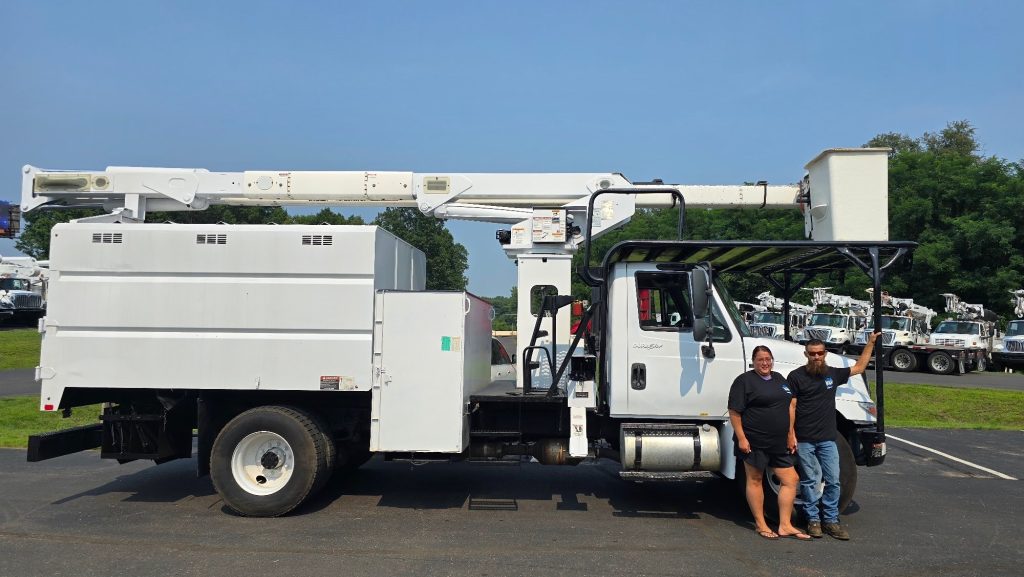
Key Features of Chipper Dump Trucks
When evaluating chipper dump trucks, buyers should consider several important features.
Dump Bed Capacity
The size of the dump bed determines how much debris the truck can carry.
Larger beds reduce the number of trips required for disposal.
Hydraulic Dump System
The hydraulic system lifts the dump bed for easy unloading.
A reliable system ensures smooth operation and reduces downtime.
Reinforced Steel Body
Chipper dump trucks are built with heavy-duty materials to withstand rough use and heavy loads.
Tool Storage Compartments
Many trucks include compartments for storing tools, safety gear, and equipment.
Towing Capability
Most chipper dump trucks include hitches for towing wood chippers.
This allows crews to transport both the truck and chipper together.
Types of Chipper Dump Trucks
There are several types of chipper dump trucks available depending on the job requirements.
Standard Chipper Dump Trucks
Basic models designed for general tree service operations.
Forestry Chipper Dump Trucks
Heavy-duty trucks built for large-scale forestry work.
Bucket Truck with Chipper Dump Body
Combination trucks that include both a bucket lift and a dump bed.
These trucks allow crews to:
- Trim trees
- Collect debris
- Transport materials
This makes them one of the most efficient options for tree service companies.
Advantages of Buying Used Chipper Dump Trucks
Many businesses prefer used trucks over new ones.
Lower Purchase Cost
Used trucks are significantly more affordable than new models.
Faster Availability
Used trucks are available immediately, allowing businesses to start projects without delay.
Proven Durability
Commercial trucks are designed for long-term use and can remain reliable for years.
Better ROI
Lower investment combined with strong performance makes used trucks a smart financial decision.
How Much Do Chipper Dump Trucks Cost?
Pricing varies depending on:
- Truck condition
- Size
- Features
- Brand
Estimated Price Range:
- Older models: $20,000 – $40,000
- Mid-range: $40,000 – $80,000
- Newer models: $80,000 – $150,000+
Buying used allows businesses to save significantly.
What to Check Before Buying
Before purchasing a used chipper dump truck, inspect key components.
Dump Bed Condition
Check for rust, dents, and structural damage.
Hydraulic System
Ensure the lift system operates smoothly.
Engine Performance
Inspect the engine for reliability.
Frame Integrity
A strong frame is essential for handling heavy loads.
Maintenance Records
Well-documented service history indicates proper care.
Why Businesses Buy Chipper Dump Trucks in Michigan
Michigan has strong demand for forestry and tree service equipment due to:
- Seasonal storms
- Large wooded areas
- Infrastructure maintenance
Businesses frequently search for used chipper dump trucks for sale in Michigan to support these operations.
Where to Buy Chipper Dump Trucks in Michigan
Finding reliable equipment requires working with experienced dealers.
Businesses searching for chipper dump trucks for sale in Battle Creek MI often explore inventory from dealerships like M & M Equipment Auto Sales, Inc., which offers commercial trucks designed for forestry and service industries.
Working with specialized dealers ensures access to quality equipment.
Frequently Asked Questions
What is a chipper dump truck?
A chipper dump truck is a vehicle used to transport wood debris from tree service operations.
What industries use chipper dump trucks?
Tree service, landscaping, municipal maintenance, and storm cleanup industries.
Are used chipper dump trucks reliable?
Yes, when properly maintained, they provide long-term performance.
Can chipper dump trucks tow equipment?
Yes, most models can tow wood chippers.
Where can I buy chipper dump trucks in Michigan?
Businesses often explore inventory from dealers such as M & M Equipment Auto Sales, Inc..
Final Thoughts
Chipper dump trucks are essential vehicles for tree service companies and forestry professionals. Their ability to collect, transport, and unload debris efficiently makes them one of the most valuable tools in the industry.
Whether handling routine tree maintenance or large-scale storm cleanup, these trucks help crews work faster, safer, and more efficiently.
For businesses looking to expand their fleets, purchasing used chipper dump trucks offers a cost-effective way to invest in reliable equipment.
With the right truck and proper maintenance, companies can improve productivity, reduce labor costs, and continue growing their operations in competitive markets.
Rear-Mount Elevator Bucket Trucks: Features, Benefits & Complete Buying Guide
For industries that require safe, stable, and powerful lifting capabilities, choosing the right bucket truck is critical. While articulating and telescopic boom trucks are widely used, another highly specialized option offers unique advantages for specific applications: the rear-mount elevator bucket truck.
These trucks are particularly popular in forestry, utility, and heavy-duty maintenance operations where stability, lifting strength, and vertical reach are essential. Businesses searching for rear-mount elevator bucket trucks for sale in Michigan are often looking for reliable equipment designed for demanding environments.
Unlike traditional boom trucks, elevator bucket trucks use a vertical lifting system that provides enhanced strength and control. When combined with a rear-mounted design, these trucks offer exceptional balance and performance.
This guide explains everything you need to know about rear-mount elevator bucket trucks, including how they work, their advantages, common uses, and how to choose the right model.
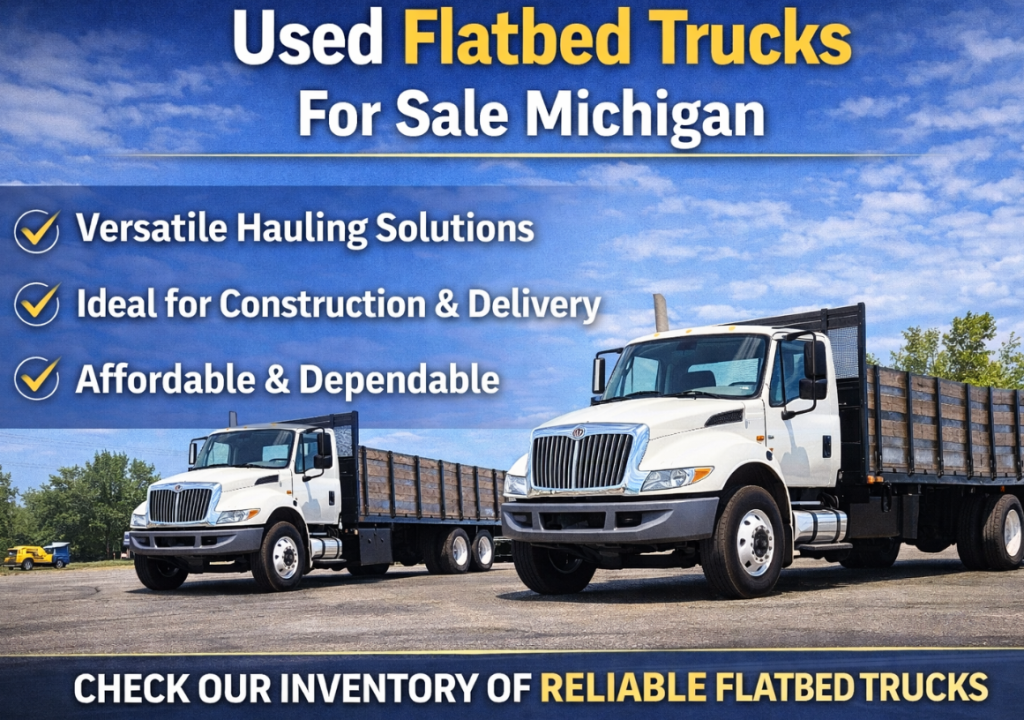
What Is a Rear-Mount Elevator Bucket Truck?
A rear-mount elevator bucket truck is a commercial vehicle equipped with a vertical lift system mounted at the rear of the truck chassis. Instead of using a folding or extending boom arm, these trucks use an elevator-style mechanism that raises the platform straight upward.
This design provides:
- Strong vertical lifting power
- Increased stability
- Improved load capacity
The rear-mounted configuration places the lift system at the back of the truck, allowing for better weight distribution and easier positioning during operation.
These trucks are commonly used in industries that require lifting workers and equipment to elevated areas while maintaining maximum stability.
How Elevator Bucket Trucks Work
Unlike articulating or telescopic bucket trucks, elevator bucket trucks rely on a vertical mast system.
The system operates using hydraulic power, lifting the bucket platform upward in a controlled, straight motion.
Key components include:
- Hydraulic lift system
- Vertical mast or elevator structure
- Bucket platform
- Stabilizers and outriggers
- Control systems
Because the lift moves vertically, these trucks are ideal for tasks that require lifting heavy loads without complex maneuvering.
Why Choose a Rear-Mount Design?
The rear-mount configuration provides several important advantages.
Better Stability
Mounting the lift at the rear improves balance and stability during operation. This is especially important when lifting heavy equipment or working at higher elevations.
Easier Job Site Positioning
Rear-mounted lifts allow operators to position the truck more easily when working near trees, poles, or structures.
Improved Weight Distribution
The rear placement helps distribute weight more evenly across the truck, reducing strain on the chassis and improving durability.
Increased Lifting Capacity
Rear-mount elevator trucks are often designed for heavy-duty applications, allowing them to lift more weight compared to smaller bucket trucks.
Industries That Use Rear-Mount Elevator Bucket Trucks
These trucks are widely used in industries that require strong lifting capabilities and reliable performance.
Forestry and Tree Service
Tree service companies use elevator bucket trucks to trim trees and remove branches. The vertical lift system provides stability when working in dense tree environments.
Utility and Electrical Work
Utility companies rely on these trucks to maintain power lines and infrastructure.
The strong lifting capacity allows crews to carry tools and equipment while working at height.
Municipal Maintenance
City maintenance crews use elevator bucket trucks for tasks such as streetlight repair and infrastructure maintenance.
Telecommunications
Technicians may use these trucks when working on communication lines in areas that require stable lifting platforms.
Rear-Mount Elevator vs Articulating Bucket Trucks
Understanding the differences between these truck types helps businesses choose the right equipment.
Elevator Bucket Trucks
- Vertical lift system
- High stability
- Strong lifting capacity
- Best for heavy-duty work
Articulating Bucket Trucks
- Flexible boom with joints
- Can move around obstacles
- Ideal for complex positioning
Key Difference
Elevator bucket trucks are better for straight vertical lifting and heavy loads, while articulating trucks are better for flexibility and maneuvering.
Rear-Mount Elevator vs Telescopic Bucket Trucks
Telescopic Bucket Trucks
- Straight extending boom
- Greater reach
- Moderate lifting strength
Elevator Bucket Trucks
- Vertical lift
- Higher lifting capacity
- Better stability
Key Difference
Telescopic trucks provide reach, while elevator trucks provide strength and stability.
Key Features to Look For
When buying a rear-mount elevator bucket truck, several features should be evaluated.
Lift Height
Most elevator bucket trucks offer working heights between:
- 40 feet
- 60 feet
- 75 feet
Choose a height that matches your job requirements.
Load Capacity
These trucks are often designed to carry heavier loads, including tools and equipment.
Hydraulic System
A reliable hydraulic system ensures smooth lifting and safe operation.
Stabilizers and Outriggers
These systems provide balance and safety during operation.
Truck Condition
Inspect the chassis, engine, and structural components for durability.
Advantages of Buying Used Elevator Bucket Trucks
Many businesses choose used equipment for practical reasons.
Lower Cost
Used trucks are significantly more affordable than new models.
Proven Reliability
Commercial trucks are built for long-term use and can remain reliable for years.
Faster Availability
Used trucks are typically available immediately.
Better ROI
Lower purchase cost combined with long service life makes used trucks a strong investment.
Common Applications
Rear-mount elevator bucket trucks are used for:
- Tree trimming
- Utility line maintenance
- Streetlight repair
- Infrastructure maintenance
- Equipment lifting
Their versatility makes them valuable for many industries.
Inspection Checklist Before Buying
Before purchasing, buyers should inspect:
Hydraulic System
Check for leaks, pressure issues, and smooth operation.
Mast Structure
Inspect the vertical lift system for damage or wear.
Controls
Ensure controls function properly.
Engine Performance
Verify the truck runs smoothly and efficiently.
Safety Systems
Check stabilizers and emergency controls.
Why Businesses Buy Elevator Bucket Trucks in Michigan
Michigan’s industries require reliable equipment for:
- Forestry
- Utilities
- Infrastructure
- Municipal services
Businesses searching for rear-mount elevator bucket trucks for sale in Michigan need dependable trucks capable of handling demanding tasks.
Where to Buy in Michigan
Finding the right dealer is essential.
Businesses looking for rear-mount elevator bucket trucks for sale in Battle Creek MI often explore inventory from dealerships like M & M Equipment Auto Sales, Inc., which specializes in commercial work trucks.
Working with experienced dealers ensures access to reliable, well-maintained equipment.
Frequently Asked Questions
What is a rear-mount elevator bucket truck?
It is a bucket truck with a vertical lift system mounted at the rear of the vehicle.
What are elevator bucket trucks used for?
They are used for forestry, utility work, and maintenance tasks requiring stable lifting.
Are elevator bucket trucks better than articulating trucks?
They are better for stability and lifting power, while articulating trucks are better for flexibility.
Are used elevator bucket trucks reliable?
Yes, when properly maintained, they provide long-term performance.
Where can I buy elevator bucket trucks in Michigan?
Businesses often explore inventory from dealers such as M & M Equipment Auto Sales, Inc..
Final Thoughts
Rear-mount elevator bucket trucks are powerful, stable, and highly reliable vehicles designed for demanding work environments. Their vertical lift systems and strong load capacity make them ideal for forestry, utility, and maintenance operations.
While they may not offer the flexibility of articulating trucks, they excel in situations that require stability and strength.
For businesses looking to invest in dependable commercial equipment, purchasing used elevator bucket trucks offers a cost-effective way to expand capabilities while maintaining efficiency.
With the right truck and proper maintenance, these vehicles can provide years of reliable service and support business growth.
Used One-Ton Bucket Trucks: Best Lightweight Work Trucks for Contractors
For contractors, small business owners, and service providers, choosing the right equipment is essential for maintaining efficiency and profitability. While large commercial trucks offer heavy-duty capabilities, many professionals do not need oversized equipment for everyday tasks.
This is where one-ton bucket trucks come in. These compact, lightweight aerial lift vehicles provide the perfect balance of mobility, efficiency, and affordability.
Businesses searching for used one ton bucket trucks for sale in Michigan are often looking for a practical solution that allows them to perform elevated work without investing in large, expensive equipment.
From electrical contractors and sign installers to maintenance teams and small utility providers, one-ton bucket trucks are among the most versatile and cost-effective work vehicles available.
This guide explains everything you need to know about one-ton bucket trucks, including their features, uses, advantages, pricing, and how to choose the right model for your business.
What Is a One-Ton Bucket Truck?
A one-ton bucket truck is a light-duty commercial vehicle built on a one-ton chassis, typically derived from pickup trucks such as Ford F-350, Chevrolet 3500, or similar models.
These trucks are equipped with a compact hydraulic lift system that allows workers to reach elevated areas safely.
Compared to larger bucket trucks, one-ton models are:
- Smaller in size
- Easier to drive
- More fuel-efficient
- Lower in cost
Despite their compact design, they still provide enough lifting capability for many common tasks.
Who Should Use One-Ton Bucket Trucks?
One-ton bucket trucks are ideal for professionals who require occasional elevated access but do not need heavy-duty lifting capacity.
Small Contractors
Independent contractors and small businesses often prefer one-ton trucks because they are affordable and easy to operate.
Electrical Technicians
Electricians performing low to mid-height work can benefit from the mobility and convenience of smaller bucket trucks.
Sign Installation Companies
Sign installers frequently work at moderate heights, making one-ton bucket trucks a practical choice.
Property Maintenance Teams
Maintenance crews use these trucks for lighting repairs, building maintenance, and general service work.
Municipal and Facility Services
City departments and facility managers often use smaller bucket trucks for routine maintenance tasks.
Advantages of One-Ton Bucket Trucks
One-ton bucket trucks offer several benefits that make them attractive to businesses.
Lower Purchase Cost
One of the biggest advantages is affordability. These trucks cost significantly less than larger commercial bucket trucks.
For businesses on a budget, this makes them an ideal entry point into owning aerial lift equipment.
Easy Maneuverability
Because of their smaller size, one-ton bucket trucks are easier to drive and park.
They can operate in:
- Residential neighborhoods
- Tight urban areas
- Small job sites
This flexibility allows crews to access locations where larger trucks may struggle.
Fuel Efficiency
Smaller engines consume less fuel, reducing operating costs over time.
For businesses that use trucks daily, this can result in significant savings.
Lower Maintenance Costs
Maintenance and repair costs for one-ton trucks are generally lower compared to heavy-duty vehicles.
Parts are often easier to find and less expensive to replace.
Versatility
These trucks can handle a wide range of tasks, making them suitable for multiple industries.
Limitations of One-Ton Bucket Trucks
While one-ton bucket trucks offer many advantages, they also have some limitations.
Lower Lift Height
Most one-ton bucket trucks have working heights between:
- 30 feet
- 40 feet
- Occasionally up to 45 feet
This makes them unsuitable for jobs requiring higher reach.
Limited Lifting Capacity
These trucks are designed for lighter tasks and cannot handle heavy loads like larger commercial trucks.
Not Ideal for Heavy-Duty Industries
Large-scale construction, forestry, and utility work often require bigger trucks with more power and reach.
Types of One-Ton Bucket Trucks
There are different types of one-ton bucket trucks depending on their lift systems.
Articulating One-Ton Bucket Trucks
Articulating models have flexible boom arms that can bend and move around obstacles.
Best for:
- Tree trimming
- Residential work
- Maintenance tasks
Telescopic One-Ton Bucket Trucks
Telescopic models have straight boom arms that extend outward.
Best for:
- Open job sites
- Simple vertical access
Insulated Bucket Trucks
Some one-ton bucket trucks are insulated for electrical work.
Best for:
- Electricians
- Utility maintenance
- Safe work near power lines
Common Jobs for One-Ton Bucket Trucks
These trucks are widely used for:
- Light electrical work
- Sign installation
- Lighting maintenance
- Building repairs
- CCTV and security installations
- Property management tasks
Their versatility makes them ideal for service-based businesses.
Used vs New One-Ton Bucket Trucks
Many businesses choose used trucks for practical reasons.
Benefits of Buying Used
- Lower upfront cost
- Reduced depreciation
- Faster availability
- Proven performance
Used trucks allow companies to access reliable equipment without large investments.
How Much Do One-Ton Bucket Trucks Cost?
Pricing depends on:
- Condition
- Mileage
- Lift type
- Brand
Estimated Price Range:
- Older models: $15,000 – $30,000
- Mid-range: $30,000 – $60,000
- Newer models: $60,000 – $90,000+
Used trucks provide significant savings compared to new models.
What to Check Before Buying
Before purchasing a used one-ton bucket truck, inspect key components.
Hydraulic System
Ensure smooth operation without leaks.
Boom Condition
Check for cracks, rust, or wear.
Electrical Systems
Verify proper functionality of controls.
Vehicle Engine
Inspect engine performance and maintenance history.
Safety Features
Ensure stabilizers and safety controls are working properly.
Why Businesses Buy One-Ton Bucket Trucks in Michigan
Michigan has strong demand for service-based work trucks.
Industries such as:
- Electrical services
- Property maintenance
- Construction
- Municipal services
often prefer compact trucks for daily operations.
Businesses searching for used one ton bucket trucks for sale in Michigan are typically looking for cost-effective solutions that still deliver reliable performance.
Where to Buy One-Ton Bucket Trucks in Michigan
Working with experienced commercial truck dealers is essential when purchasing used equipment.
Businesses looking for one ton bucket trucks for sale in Battle Creek MI often explore inventory from dealers like M & M Equipment Auto Sales, Inc., which offers commercial work trucks designed for contractors and service professionals.
Dealers specializing in commercial equipment can help buyers choose trucks suited to their specific needs.
Frequently Asked Questions
What is a one-ton bucket truck?
A one-ton bucket truck is a light-duty aerial lift vehicle built on a one-ton chassis, used for elevated work tasks.
How high can one-ton bucket trucks reach?
Most models reach between 30 and 45 feet.
Are one-ton bucket trucks good for small businesses?
Yes. They are affordable, easy to operate, and ideal for light-duty tasks.
Are used one-ton bucket trucks reliable?
Yes, when properly maintained, they can provide many years of service.
Where can I buy one-ton bucket trucks in Michigan?
Businesses often explore inventory from commercial truck dealers such as M & M Equipment Auto Sales, Inc..
Final Thoughts
One-ton bucket trucks are an excellent choice for contractors, technicians, and service providers who need a practical and affordable solution for working at height.
Their compact size, lower cost, and versatility make them ideal for businesses that do not require heavy-duty equipment.
While they may not replace larger commercial trucks in every situation, they offer a highly efficient option for everyday tasks.
For businesses looking to expand their capabilities without significant investment, purchasing used one-ton bucket trucks remains one of the smartest decisions available.
Used 60 Foot Bucket Trucks for Sale: Complete Buyer’s Guide
For many industries that rely on working at height, choosing the right equipment is critical for safety, efficiency, and productivity. Among the most popular and versatile options available today are 60-foot bucket trucks, which offer the ideal balance between reach, mobility, and operational flexibility.
Contractors, utility companies, tree service professionals, and telecommunications providers frequently search for used 60 foot bucket trucks for sale in Michigan because these trucks provide enough height for most jobs while remaining easier to operate and transport compared to larger models.
Whether you are expanding your fleet or purchasing your first aerial lift truck, understanding how 60 ft bucket trucks work—and how to choose the right one—can help you make a smart investment.
This complete guide covers everything you need to know, including types of 60 ft bucket trucks, common uses, key features, pricing considerations, inspection tips, and where to find reliable equipment.
What Is a 60 Foot Bucket Truck?
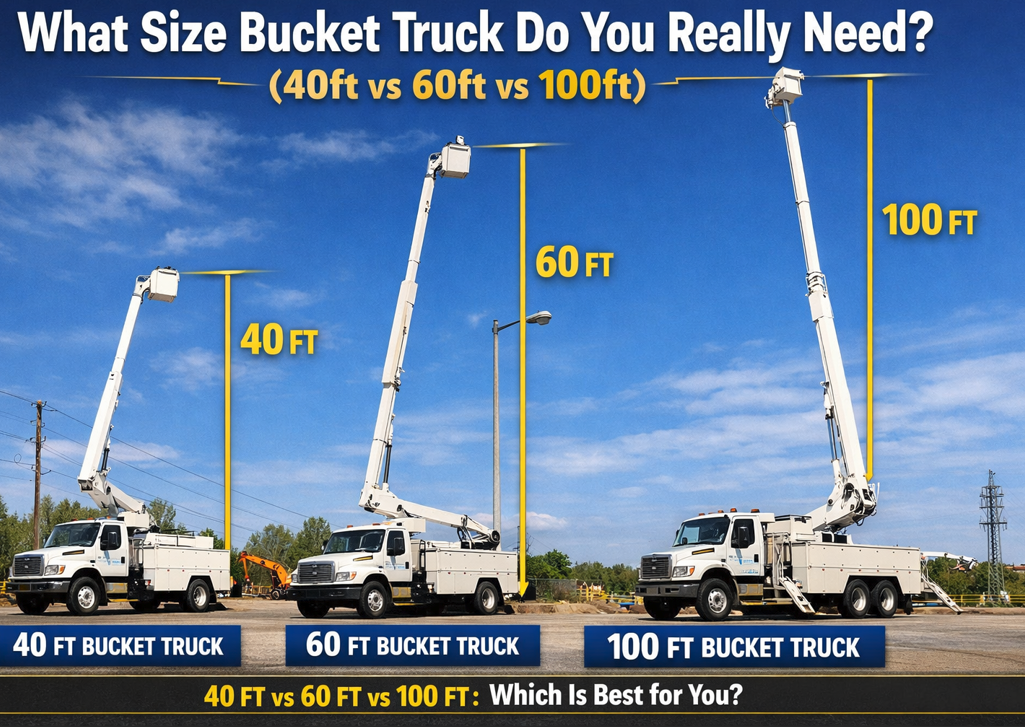
A 60-foot bucket truck is a commercial vehicle equipped with a hydraulic boom lift capable of reaching approximately 60 feet in working height. These trucks allow workers to safely access elevated areas while performing tasks such as repairs, installations, and maintenance.
The lift consists of:
- A hydraulic boom arm
- A bucket platform for workers
- Stabilizers for safety
- Control systems for precise positioning
Because of their mid-range height, 60 ft bucket trucks are considered one of the most versatile aerial lift vehicles available.
They are large enough to handle most elevated tasks, yet compact enough to operate in urban environments and job sites with limited space.
Why 60 Foot Bucket Trucks Are So Popular
Among all bucket truck sizes, 60-foot models are often the most in-demand. This is because they provide an ideal balance between capability and practicality.
Perfect Height for Most Jobs
Many tasks in industries such as utilities, tree service, and telecommunications require access between 40 and 65 feet. A 60 ft bucket truck comfortably covers this range.
Better Maneuverability
Compared to larger 75 ft or 100 ft trucks, 60 ft bucket trucks are easier to maneuver in tight spaces, making them ideal for residential areas and city environments.
Lower Cost Compared to Larger Trucks
Larger bucket trucks can be significantly more expensive. 60 ft models provide excellent functionality at a more affordable price point.
Versatility Across Industries
Because of their balanced design, these trucks are used in multiple industries, making them one of the most flexible commercial work vehicles available.
Industries That Use 60 Ft Bucket Trucks
60 ft bucket trucks are used across a wide range of industries.
Utility Companies
Electrical utility providers use these trucks to repair power lines, install transformers, and maintain electrical infrastructure.
Tree Service Companies
Tree trimming and removal operations often require reach between 50 and 70 feet. A 60 ft truck provides the perfect height for these jobs.
Telecommunications
Technicians use bucket trucks to install and maintain cable lines, fiber optics, and communication systems.
Municipal Maintenance
City crews use bucket trucks to repair streetlights, traffic signals, and public infrastructure.
Construction and Sign Installation
Contractors use bucket trucks for installing signage, lighting systems, and building components.
Types of 60 Foot Bucket Trucks
There are several types of 60 ft bucket trucks, each designed for specific applications.
Articulating 60 Ft Bucket Trucks
Articulating bucket trucks feature boom arms with multiple joints, allowing them to bend and maneuver around obstacles.
Advantages:
- Flexible movement
- Ideal for tree trimming
- Works well in tight spaces
Best for:
- Forestry work
- Residential utility maintenance
- Telecommunications
Telescopic 60 Ft Bucket Trucks
Telescopic bucket trucks have straight boom arms that extend outward for maximum reach.
Advantages:
- Greater vertical reach
- Strong lifting capacity
- Stable operation
Best for:
- Utility companies
- Construction projects
- Open job sites
Elevator 60 Ft Bucket Trucks
Elevator bucket trucks use vertical lifting systems instead of articulated booms.
Advantages:
- Strong lifting capacity
- Excellent stability
- Ideal for heavy-duty work
Best for:
- Forestry operations
- Utility work
- Heavy lifting applications
Common Jobs for 60 Ft Bucket Trucks
Because of their versatility, these trucks are used in a wide range of applications.
Typical jobs include:
- Power line repair
- Tree trimming and removal
- Cable installation
- Streetlight maintenance
- Sign installation
- Building maintenance
This wide range of uses makes 60 ft bucket trucks one of the most practical investments for service-based businesses.
Used vs New 60 Ft Bucket Trucks
Many businesses choose used trucks instead of new ones.
Advantages of Buying Used
- Lower upfront cost
- Reduced depreciation
- Faster availability
- Proven reliability
Used bucket trucks can often deliver similar performance to new models at a significantly lower price.
How Much Do 60 Ft Bucket Trucks Cost?
Pricing varies depending on:
- Brand
- Condition
- Mileage
- Lift type
- Features
General Price Range:
- Older models: $25,000 – $45,000
- Mid-range: $45,000 – $80,000
- Newer / premium: $80,000 – $150,000+
Buying used allows businesses to access high-quality equipment at a lower cost.
Key Features to Look for When Buying
Before purchasing a used 60 ft bucket truck, businesses should evaluate several key features.
Hydraulic System
The hydraulic system must operate smoothly without leaks or delays.
Boom Condition
Inspect the boom for:
- Cracks
- Rust
- Structural damage
Stabilizers and Outriggers
These systems ensure safety during operation.
Lift Controls
Ensure controls respond accurately and smoothly.
Engine and Transmission
A well-maintained engine ensures long-term reliability.
Inspection Checklist for Buyers
Before finalizing a purchase, buyers should:
- Test the lift system
- Check hydraulic hoses
- Inspect electrical components
- Review maintenance records
- Perform a test drive
This ensures the truck is ready for professional use.
Why Businesses Buy 60 Ft Bucket Trucks in Michigan
Michigan has strong demand for commercial work trucks due to industries such as:
- Construction
- Utilities
- Forestry
- Telecommunications
Businesses frequently search for used 60 ft bucket trucks for sale in Michigan because reliable equipment is essential for completing projects efficiently.
Where to Buy Used 60 Ft Bucket Trucks in Michigan
Finding reliable equipment requires working with experienced commercial truck dealers.
Businesses looking for 60 ft bucket trucks for sale in Battle Creek MI often explore inventory from dealerships like M & M Equipment Auto Sales, Inc., which offers a wide selection of commercial work trucks used across multiple industries.
Specialized dealers help ensure trucks are properly inspected and ready for professional use.
Frequently Asked Questions
What is a 60 ft bucket truck used for?
A 60 ft bucket truck is used for elevated work such as power line repair, tree trimming, and cable installation.
Is a 60 ft bucket truck enough height?
Yes. It covers most common working heights required in utilities, forestry, and maintenance.
Are used bucket trucks reliable?
Yes, when properly maintained, they can provide many years of service.
What industries use 60 ft bucket trucks?
Utilities, forestry, telecommunications, construction, and municipalities.
Where can I buy 60 ft bucket trucks in Michigan?
Businesses often explore inventory from commercial truck dealers such as M & M Equipment Auto Sales, Inc..
Final Thoughts
60-foot bucket trucks are among the most versatile and widely used commercial work vehicles available today. Their ability to provide the right balance of height, mobility, and efficiency makes them essential equipment for many industries.
Whether used for tree trimming, electrical maintenance, or construction work, these trucks help businesses perform tasks safely and efficiently.
For companies looking to expand their fleets, purchasing used 60 ft bucket trucks offers a cost-effective way to access reliable equipment without the high cost of new vehicles.
By understanding the different types, features, and buying considerations, businesses can make informed decisions and invest in trucks that support long-term success.
Digger Derricks, Crane Trucks, and Boom Trucks Explained: A Complete Guide for Commercial Work Trucks
Across industries such as utilities, construction, telecommunications, and infrastructure development, specialized commercial vehicles are essential for completing complex tasks efficiently. Among the most important types of heavy-duty work trucks used in these industries are digger derricks, crane trucks, and boom trucks.
These trucks provide powerful lifting capabilities, allowing workers to move heavy materials, install utility poles, perform construction tasks, and complete projects that would otherwise require multiple machines.
Businesses searching for commercial work trucks for sale in Michigan often consider these vehicles because they provide versatility and efficiency in demanding work environments.
Understanding the differences between digger derricks, crane trucks, and boom trucks can help contractors and service providers select the right equipment for their operations.
This guide explains the key features, uses, and benefits of each type of truck and how businesses can choose the right equipment for their needs.
What Is a Digger Derrick Truck?
A digger derrick truck is a specialized commercial vehicle designed primarily for utility and electrical work. These trucks combine drilling equipment and lifting systems that allow crews to install utility poles quickly and safely.
Digger derricks are commonly used by electrical contractors and utility companies that install power lines and communication infrastructure.
The truck includes a rotating boom equipped with a drilling attachment capable of digging holes into the ground. Once the hole is prepared, the boom can also lift and position utility poles.
Because of this dual functionality, digger derricks are extremely valuable for infrastructure projects.
Key Components of a Digger Derrick Truck
Digger derricks include several important components designed to support pole installation and lifting tasks.
Auger Drill
The auger is a large rotating drill that digs holes into the ground. This feature allows crews to quickly prepare locations for installing poles or foundations.
Boom Arm
The boom arm functions as a lifting system that allows workers to raise and position heavy objects.
Pole Grabs
Pole grabs hold utility poles securely during installation.
Stabilizers
Stabilizers or outriggers help balance the truck during operation to ensure safe lifting.
These components work together to allow crews to install infrastructure efficiently.
What Is a Boom Truck?
A boom truck is a commercial vehicle equipped with a hydraulic crane mounted on the truck chassis. This crane allows operators to lift and move heavy materials at job sites.
Boom trucks are widely used in construction, maintenance, and industrial operations because they combine transportation and lifting capabilities in one vehicle.
Instead of using separate cranes and transport trucks, companies can perform both tasks using a single boom truck.
Common Uses for Boom Trucks
Boom trucks are versatile vehicles used in many industries.
Typical applications include:
- Construction material lifting
- Roofing installation
- Sign installation
- Steel beam placement
- Equipment transportation
These trucks allow workers to lift heavy loads with precision and efficiency.
Because of their versatility, boom trucks are commonly used in construction projects where lifting equipment is required.
What Is a Crane Truck?
A crane truck is another type of commercial vehicle equipped with a crane system. While similar to boom trucks, crane trucks are often designed to lift heavier loads and operate in more demanding environments.
Crane trucks are frequently used in large construction projects, infrastructure development, and industrial operations.
These trucks allow crews to transport equipment directly to job sites and lift materials without needing additional machinery.
Crane trucks can be especially useful in locations where traditional cranes are difficult to transport or set up.
Key Differences Between Digger Derricks, Boom Trucks, and Crane Trucks
Although these trucks all provide lifting capabilities, they serve different purposes depending on the industry.
Digger Derricks
Designed for utility pole installation and electrical infrastructure work.
Boom Trucks
Primarily used in construction for lifting and transporting materials.
Crane Trucks
Heavy-duty lifting vehicles used in large construction and industrial projects.
Each type of truck offers unique advantages depending on the job requirements.
Industries That Use These Commercial Work Trucks
Several industries rely heavily on digger derricks, boom trucks, and crane trucks.
Electrical and Utility Companies
Utility companies frequently use digger derricks to install power poles and electrical infrastructure.
Construction Industry
Construction companies rely on boom trucks and crane trucks to move heavy materials such as steel beams, concrete components, and roofing materials.
Telecommunications Industry
Telecommunications contractors use these trucks when installing communication towers and infrastructure.
Infrastructure Development
Government agencies and contractors involved in infrastructure development often use crane trucks and boom trucks for bridge construction, road projects, and utility installations.
Because these industries require heavy lifting capabilities, specialized trucks are essential equipment.
Advantages of Using Commercial Work Trucks
Commercial work trucks provide several advantages for companies that perform construction, infrastructure, or maintenance tasks.
Increased Efficiency
These trucks allow workers to complete tasks faster by combining lifting and transportation capabilities.
Reduced Equipment Costs
Instead of purchasing separate cranes and transport vehicles, businesses can use one truck to perform multiple functions.
Improved Job Site Mobility
Truck-mounted lifting systems allow equipment to be transported easily between job sites.
This mobility increases productivity and reduces downtime.
Benefits of Buying Used Commercial Work Trucks
Many companies choose used trucks when expanding their fleets because they offer several advantages.
Lower Purchase Costs
Used trucks are significantly less expensive than new models. This allows businesses to acquire necessary equipment while maintaining financial flexibility.
Proven Performance
Commercial trucks are designed to handle demanding workloads. Many used trucks remain reliable for years when properly maintained.
Faster Equipment Availability
Used trucks are typically available immediately, allowing businesses to begin projects without waiting for new vehicles to be manufactured.
These benefits make used trucks attractive options for contractors and infrastructure service providers.
Important Factors to Consider When Buying Work Trucks
Businesses should evaluate several factors when purchasing digger derricks, crane trucks, or boom trucks.
Lifting Capacity
Different trucks have different lifting capacities. Buyers should ensure the truck can handle the loads required for their projects.
Boom Reach
Boom length determines how far the lifting arm can extend.
Hydraulic System Condition
The hydraulic system powers the lifting mechanism and must operate smoothly.
Structural Condition
Inspecting the truck frame and lifting equipment ensures the vehicle can handle heavy-duty work safely.
Careful inspection helps buyers avoid costly repairs and downtime.
Where to Buy Digger Derricks, Crane Trucks, and Boom Trucks in Michigan
Businesses searching for commercial work trucks for sale in Michigan often work with dealers who specialize in professional equipment.
Experienced commercial truck dealerships provide access to trucks designed for construction, utilities, and infrastructure work.
Companies looking for digger derricks or boom trucks frequently explore inventory from dealers such as M & M Equipment Auto Sales, Inc., which offers a range of work trucks used across multiple industries.
Working with specialized dealers helps businesses find equipment suited to their specific job requirements.
Frequently Asked Questions
What is a digger derrick truck used for?
A digger derrick truck is used to drill holes and install utility poles for electrical and communication infrastructure.
What is a boom truck used for?
Boom trucks are used to lift heavy materials in construction, maintenance, and industrial projects.
What is the difference between a crane truck and a boom truck?
Crane trucks typically have larger lifting capacities and are used in heavy-duty projects, while boom trucks are often used in smaller construction tasks.
Are used commercial work trucks reliable?
Yes. When properly maintained, commercial trucks can provide many years of dependable service.
Where can I buy used work trucks in Michigan?
Businesses searching for work trucks often explore inventory from commercial truck dealerships such as M & M Equipment Auto Sales, Inc..
Final Thoughts
Digger derricks, boom trucks, and crane trucks are essential vehicles for industries that require heavy lifting, infrastructure installation, and material transportation.
These specialized trucks help contractors, utility providers, and construction companies perform complex tasks efficiently and safely.
While new commercial trucks can require a substantial investment, purchasing used equipment offers businesses a practical way to expand their fleets while maintaining budget flexibility.
By understanding the differences between these vehicles and working with experienced commercial truck dealers, companies can invest in equipment that supports productivity and long-term success.
Forestry Bucket Trucks & Chipper Dump Trucks: Complete Guide for Tree Service Companies
Tree service and forestry companies perform some of the most demanding work in the service industry. Removing trees, trimming branches, clearing storm damage, and maintaining landscapes require specialized equipment designed to handle heavy loads and elevated work environments.
Among the most essential vehicles used by tree service professionals are forestry bucket trucks and chipper dump trucks. These commercial trucks combine lifting systems, storage capacity, and debris transport capabilities to help crews perform tasks safely and efficiently.
Because tree service operations often require both aerial work and debris removal, many companies search for used forestry trucks for sale in Michigan as a practical way to build their fleets without excessive costs.
This guide explains how forestry bucket trucks and chipper dump trucks work, their key features, the industries that use them, and how businesses can choose the right truck for their operations.
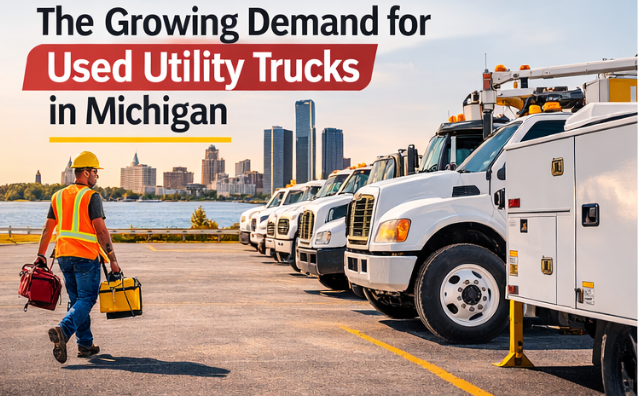
What Is a Forestry Bucket Truck?
A forestry bucket truck is a specialized commercial vehicle equipped with a hydraulic boom lift and bucket platform designed for tree service operations.
The hydraulic lift allows workers to reach high branches safely while trimming trees or removing limbs. Unlike traditional climbing methods, bucket trucks provide a stable platform that improves safety and efficiency.
Forestry bucket trucks are commonly used for:
- Tree trimming
- Tree removal
- Utility line clearing
- Storm damage cleanup
- Landscape maintenance
These trucks allow tree service crews to perform elevated work with greater control and reduced physical strain.
What Is a Chipper Dump Truck?
A chipper dump truck is another important vehicle used in forestry and tree removal operations. These trucks are designed to transport wood debris, branches, and tree waste generated during trimming or removal jobs.
Chipper dump trucks typically include:
- Large dump beds
- Reinforced steel bodies
- Hydraulic dumping systems
- Tool storage compartments
Tree service companies often pair chipper dump trucks with wood chippers that process branches into smaller pieces for easier disposal.
The combination of chipper equipment and dump trucks allows crews to clear job sites quickly and efficiently.
Combination Trucks: Bucket Trucks with Chipper Dump Bodies
Some forestry trucks combine aerial lift systems with chipper dump beds. These vehicles provide both elevated access and debris transportation in one truck.
A bucket truck with a chipper dump body allows crews to:
- Trim trees using the hydraulic lift
- Collect and transport wood debris
- Carry tools and equipment
These multi-purpose trucks are extremely valuable for tree service companies that want to maximize efficiency with fewer vehicles.
Because of their versatility, these trucks are often in high demand among professional arborists and landscaping companies.
Why Tree Service Companies Need Specialized Trucks
Tree service work presents several challenges that standard vehicles cannot handle. Workers must operate at heights, manage heavy debris, and transport specialized equipment.
Forestry trucks are designed specifically to address these challenges.
Safe Access to Elevated Work Areas
Trees can reach significant heights, making manual climbing dangerous and time-consuming. Bucket trucks allow workers to reach branches safely while maintaining stability.
Efficient Debris Removal
Tree trimming and removal generate large amounts of debris. Chipper dump trucks provide the capacity needed to transport branches and wood chips away from job sites.
Improved Job Efficiency
Specialized forestry trucks allow crews to complete jobs faster by combining multiple functions in a single vehicle.
These advantages make forestry trucks essential equipment for professional tree service companies.
Industries That Use Forestry Bucket Trucks
While tree service companies are the primary users of forestry trucks, several other industries also rely on similar equipment.
Utility Companies
Utility providers often use forestry bucket trucks to trim trees around power lines. This work helps prevent outages caused by falling branches.
Municipal Maintenance Departments
City maintenance crews use bucket trucks to trim trees in parks, along roads, and near public buildings.
Landscaping Companies
Large landscaping companies sometimes use forestry trucks for property maintenance and tree trimming services.
Emergency Storm Cleanup Services
After storms or natural disasters, cleanup crews use forestry trucks to remove fallen trees and clear roadways.
Because of their versatility, forestry trucks serve multiple industries that require elevated access and debris removal capabilities.
Types of Forestry Bucket Trucks
Several different types of bucket trucks are used in forestry operations.
Articulating Bucket Trucks
Articulating bucket trucks feature boom arms with multiple joints that allow workers to maneuver around branches and obstacles.
These trucks are ideal for tree trimming because they allow crews to reach difficult angles.
Telescopic Bucket Trucks
Telescopic bucket trucks feature straight boom arms that extend outward to reach high elevations.
These trucks are commonly used when height and reach are more important than flexibility.
Rear-Mount Elevator Bucket Trucks
Rear-mount elevator bucket trucks are designed specifically for forestry and utility work.
Their vertical lift systems provide excellent stability while lifting workers into tree canopies.
Key Features of Forestry Trucks
When evaluating forestry bucket trucks and chipper dump trucks, buyers should consider several important features.
Hydraulic Lift System
The hydraulic lift system powers the bucket platform and allows workers to reach elevated areas.
A reliable hydraulic system is essential for safe operation.
Boom Reach and Height
Different trucks provide different working heights. Forestry bucket trucks often range between 45 feet and 75 feet depending on the model.
Choosing the correct height ensures crews can reach tall trees safely.
Chipper Dump Bed Capacity
The size of the dump bed determines how much debris the truck can transport.
Larger beds reduce the number of trips required to dispose of wood chips and branches.
Stabilizers and Outriggers
Stabilizers help keep the truck balanced when the boom is extended. These systems are critical for safe operation.
Advantages of Buying Used Forestry Trucks
Many businesses choose used forestry trucks instead of purchasing new equipment.
Lower Investment Cost
New forestry trucks can be extremely expensive. Used trucks provide a more affordable option for companies building their fleets.
Proven Durability
Commercial forestry trucks are designed for demanding work environments. Well-maintained trucks can remain reliable for many years.
Faster Availability
Used trucks are often available immediately, allowing companies to acquire equipment quickly when new projects arise.
Because of these advantages, many tree service companies search for used forestry trucks for sale in Michigan when expanding their operations.
Important Inspection Tips When Buying Used Forestry Trucks
Before purchasing used equipment, buyers should perform careful inspections.
Check the Boom Structure
Inspect the boom arm for cracks, rust, or structural damage. A strong boom is essential for safe lifting.
Evaluate the Hydraulic System
Ensure the hydraulic system operates smoothly and without leaks.
Inspect the Dump Body
The chipper dump body should be examined for rust, dents, or structural damage.
Review Maintenance Records
Maintenance records provide valuable insight into how well the truck has been maintained.
Trucks with documented service histories are often more reliable purchases.
Where to Buy Used Forestry Trucks in Michigan
Businesses looking for reliable forestry equipment often work with specialized commercial truck dealers.
Experienced dealers understand the needs of tree service companies and utility contractors.
Companies searching for forestry bucket trucks for sale in Michigan often explore inventory from dealers like M & M Equipment Auto Sales, Inc., which offers commercial trucks used by contractors, arborists, and infrastructure service providers.
Dealerships that specialize in commercial work trucks can help buyers choose vehicles suited to their specific industry requirements.
Frequently Asked Questions About Forestry Trucks
What is a forestry bucket truck used for?
A forestry bucket truck is used to lift workers safely while trimming trees, removing branches, and clearing vegetation around power lines.
What is a chipper dump truck?
A chipper dump truck is designed to transport wood debris and branches generated during tree trimming or removal operations.
Do tree service companies use bucket trucks?
Yes. Many tree service companies rely on bucket trucks because they provide safer access to high branches.
What height are forestry bucket trucks?
Most forestry bucket trucks range from approximately 45 to 75 feet in working height.
Where can I buy used forestry trucks in Michigan?
Businesses searching for forestry trucks often explore inventory from commercial truck dealers such as M & M Equipment Auto Sales, Inc., which offers trucks used by forestry and utility industries.
Final Thoughts
Forestry bucket trucks and chipper dump trucks are essential vehicles for tree service companies, landscaping businesses, and utility providers. Their ability to provide safe elevated access while transporting wood debris makes them indispensable equipment for forestry operations.
While new trucks can require a significant investment, purchasing used forestry trucks offers a practical alternative that delivers strong performance at a lower cost.
By understanding the different types of forestry trucks, evaluating key features, and working with experienced commercial truck dealers, businesses can build fleets that support efficient and safe operations.
For tree service companies seeking dependable equipment, investing in reliable forestry trucks remains one of the most important steps toward long-term success.